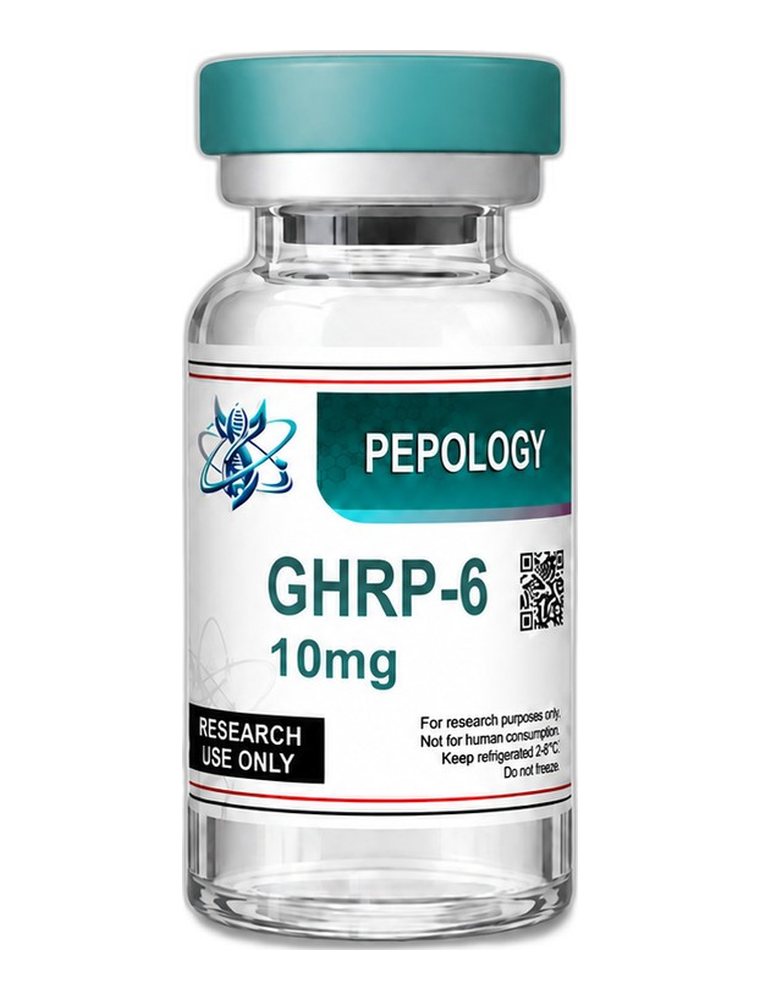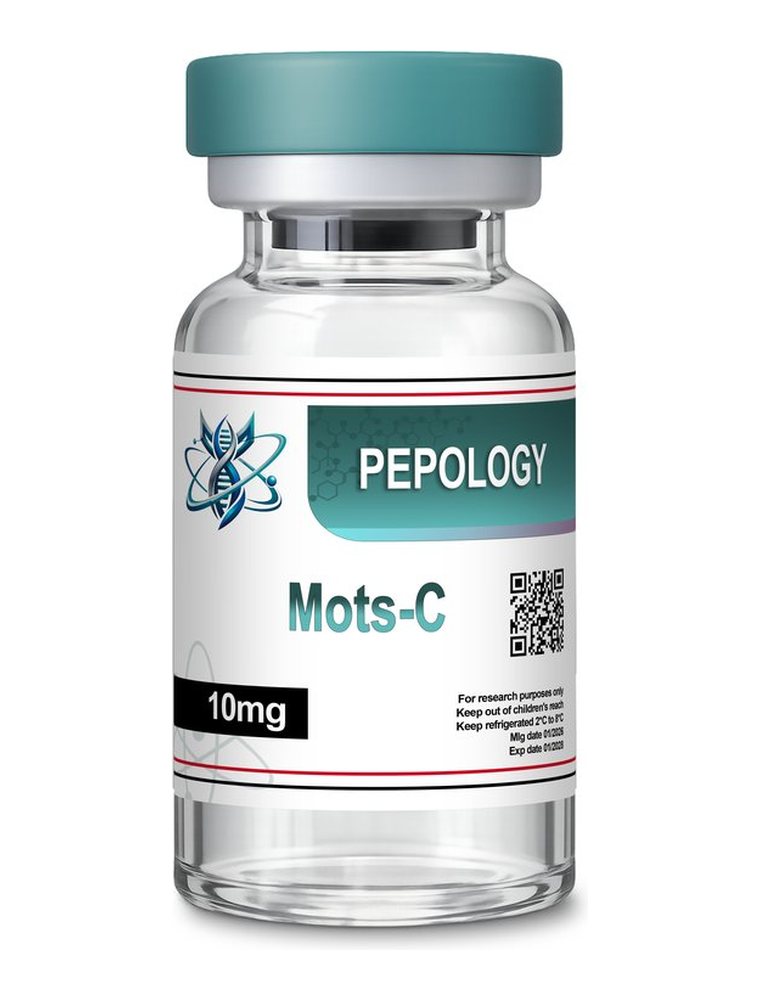
No bulky product pages to scroll. Here is our full range, grouped by what it is studied for, with the key benefits at a glance. Every peptide ships as a complete, ready-to-use kit, and you enquire on WhatsApp for anything that interests you.
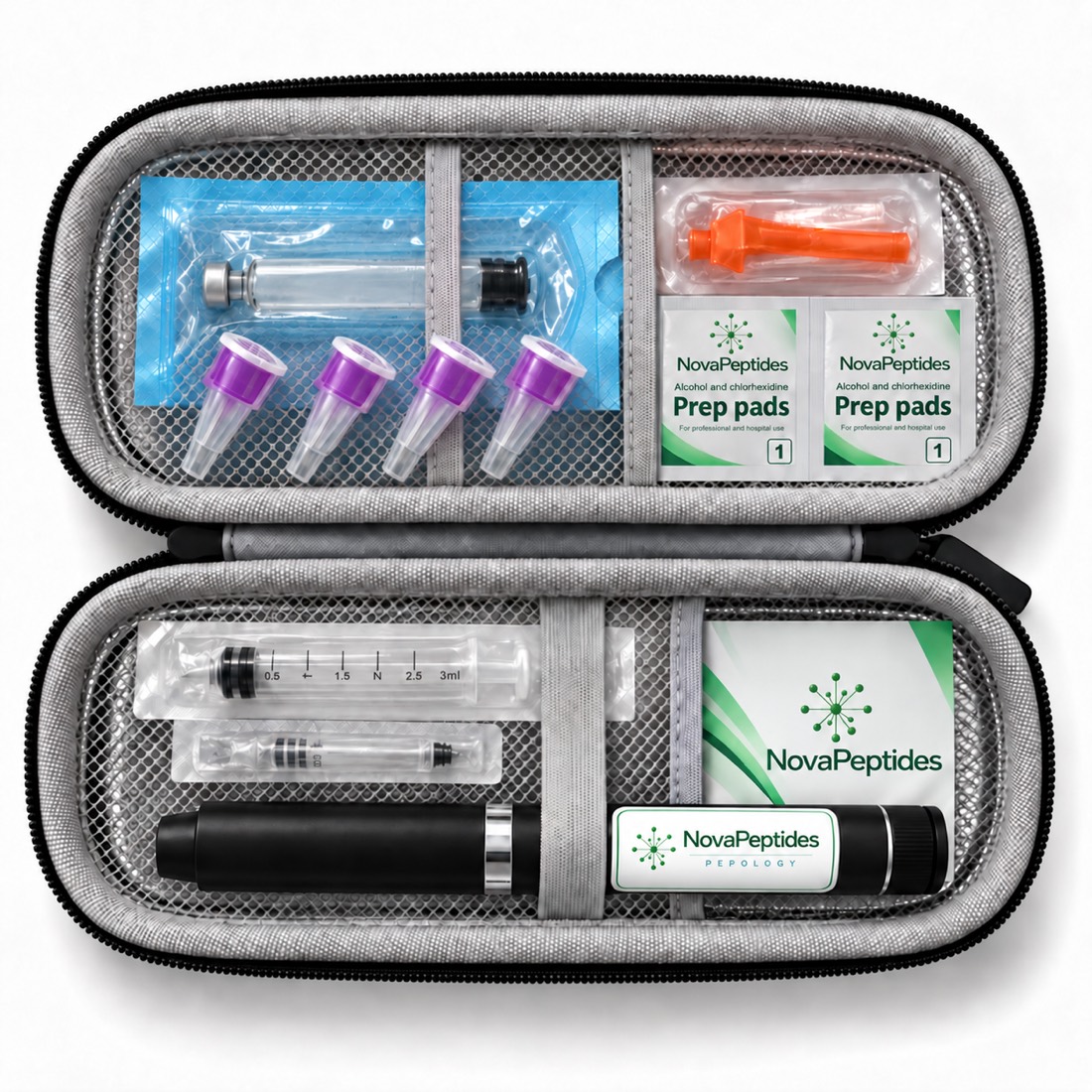
Every peptide ships as a complete kit: reusable dosing pen, bacteriostatic water, needle heads, extraction syringe, thermal case, and a verifiable Novagen Laboratories Certificate of Analysis on every batch.
Weight, metabolic & body composition
2 peptides
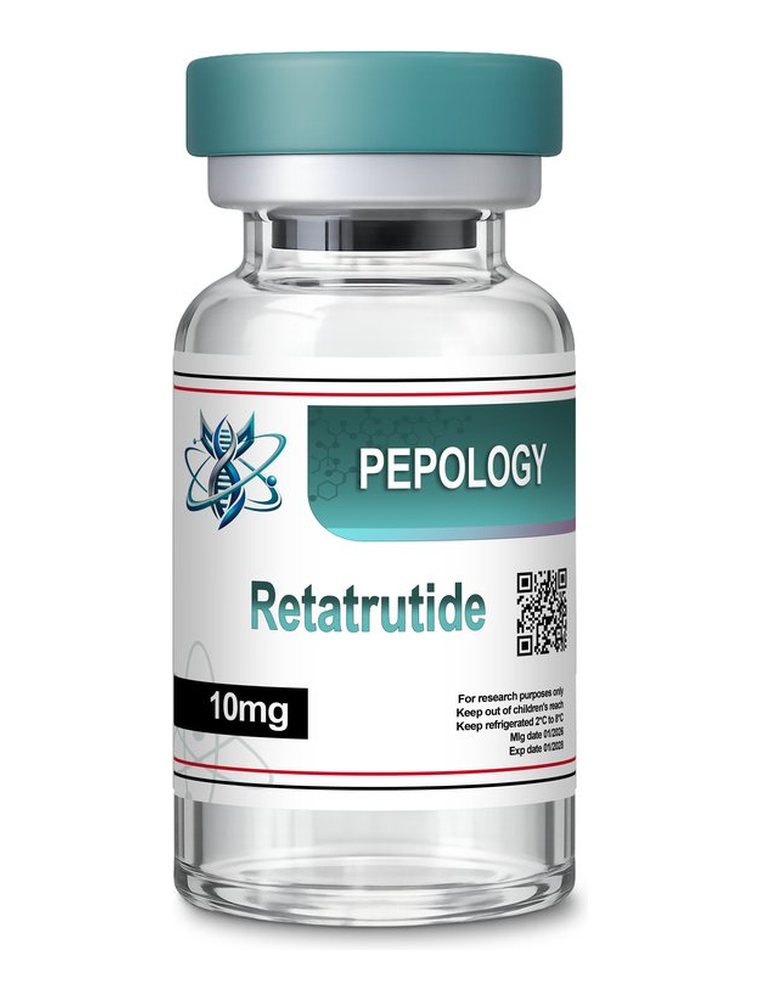
Retatrutide10mg · 20mg · 30mg
The triple-agonist metabolic research peptide
Retatrutide is a single-molecule GLP-1, GIP and glucagon triple agonist (nicknamed Triple G) explored in metabolic research for appetite signalling, body composition and energy expenditure.
Researched for appetite signalling and food-intake pathways
Studied for body-fat and body-composition endpoints
Unique glucagon arm explored for energy expenditure
Triple-receptor action beyond dual and single agonists
MOTS-C is a mitochondrial-derived peptide studied in research for its role in metabolism, glucose handling and energy production, and often described in studies as an "exercise mimetic" for its observed effects on physical capacity.
Studied in research for metabolism and energy production
Researched for glucose handling and insulin signalling
Investigated in studies for fat oxidation and body composition
Studied for exercise capacity and physical performance
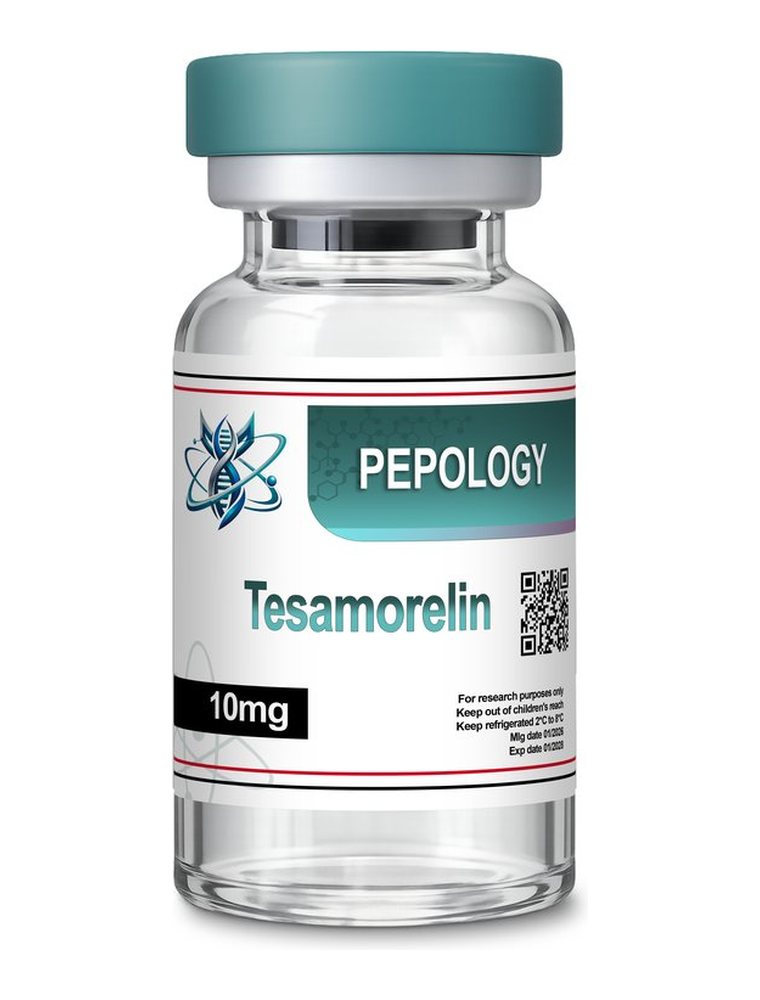
A stabilised GHRH analogue researched for its effect on visceral (deep abdominal) fat, studied for supporting the body's own growth hormone release via the natural GH/IGF-1 axis.
Studied for deep abdominal (visceral) fat reduction
Researched around the body's own GH, not injected GH
Researched for lifting IGF-1 within a natural range
A short-acting GHRH analogue, also known as Modified GRF 1-29, studied in research for supporting the body's own growth-hormone release in natural pulses, and often paired with a GHRP such as ipamorelin.
Studied for supporting the body's own GH release
Investigated for natural, pulsatile growth-hormone patterns
Researched alongside a GHRP such as ipamorelin
Investigated for growth-hormone and IGF-1 signalling
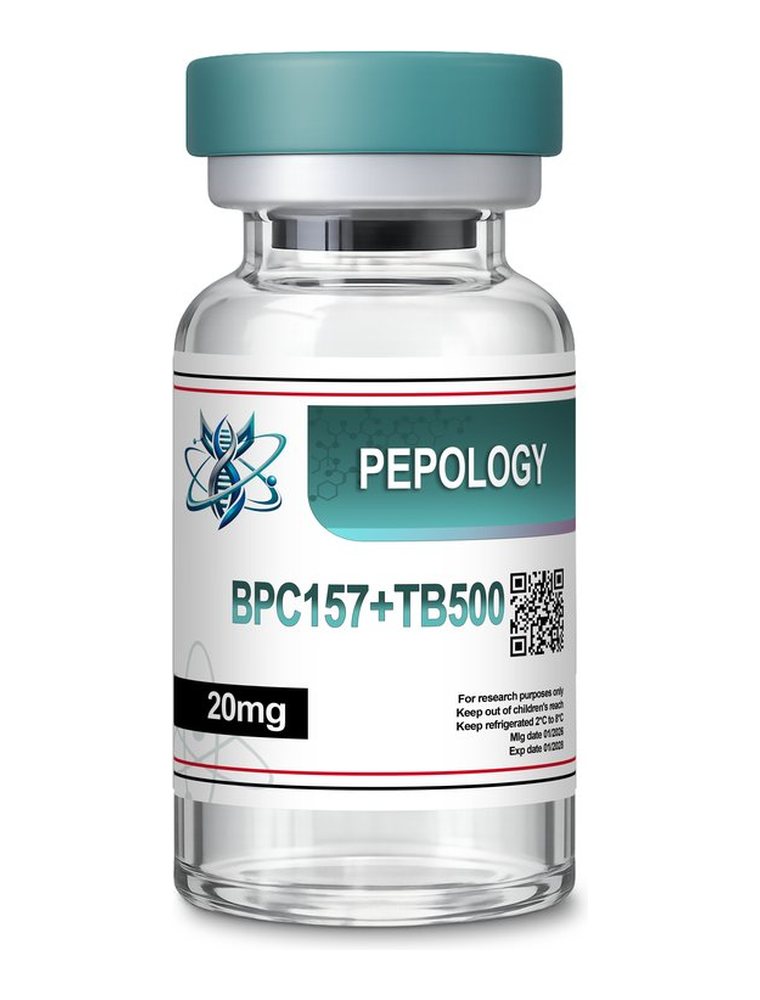
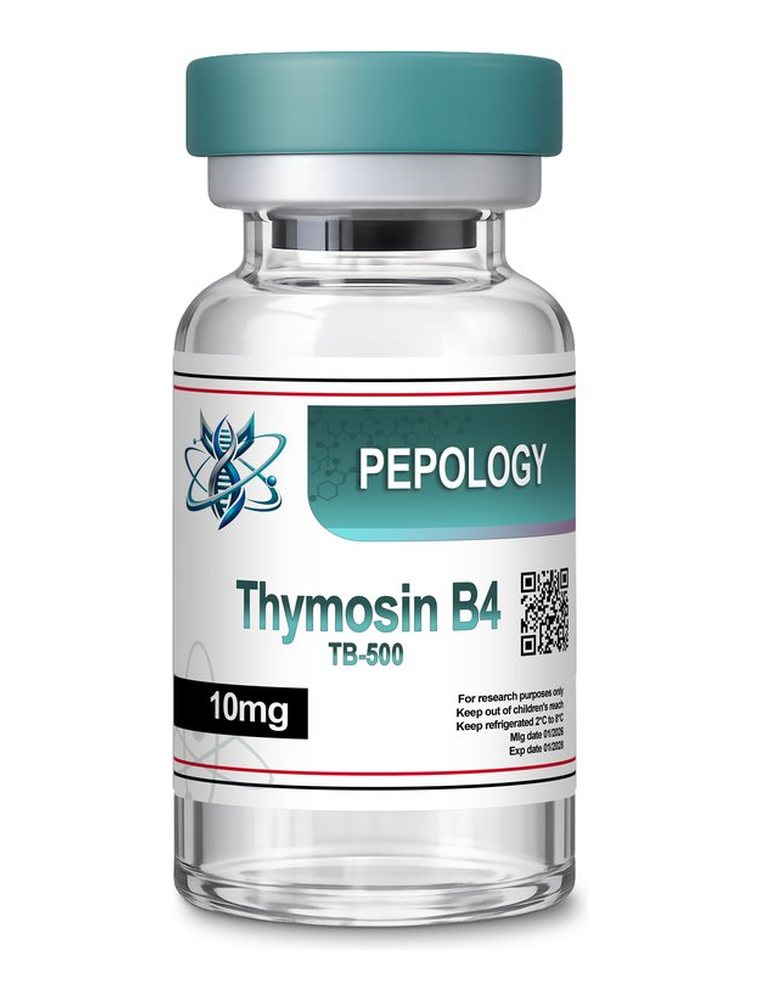
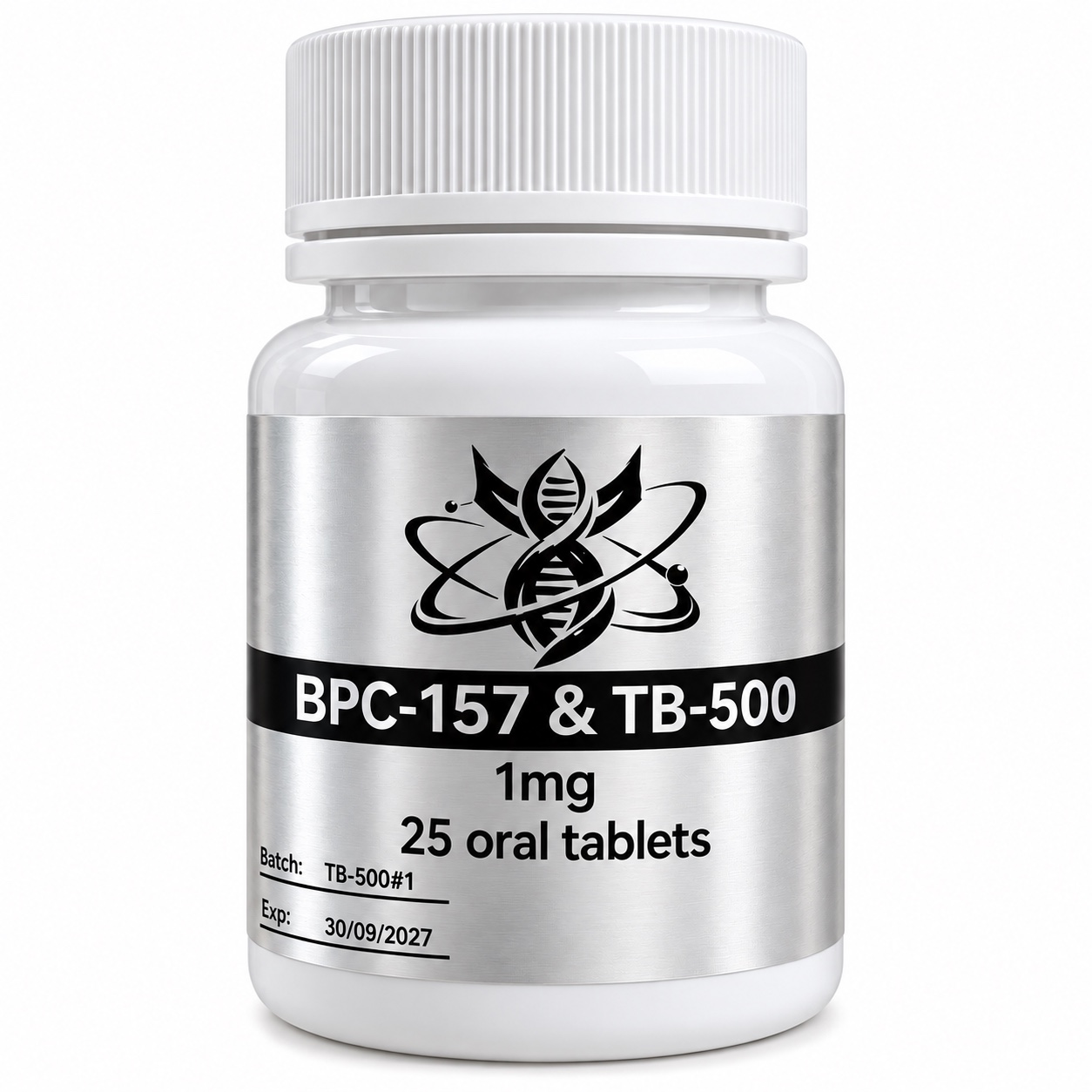
Wolverine+ pairs BPC-157 with TB-500, two widely researched peptides studied together in preclinical models for their complementary roles in tissue, tendon and soft-tissue research.
Two peptides studied for complementary repair pathways
BPC-157 researched for localised tendon and gut tissue models
TB-500 investigated for cell migration and flexibility in studies
Studied together for angiogenesis and soft-tissue research
The classic research stack investigators reach for
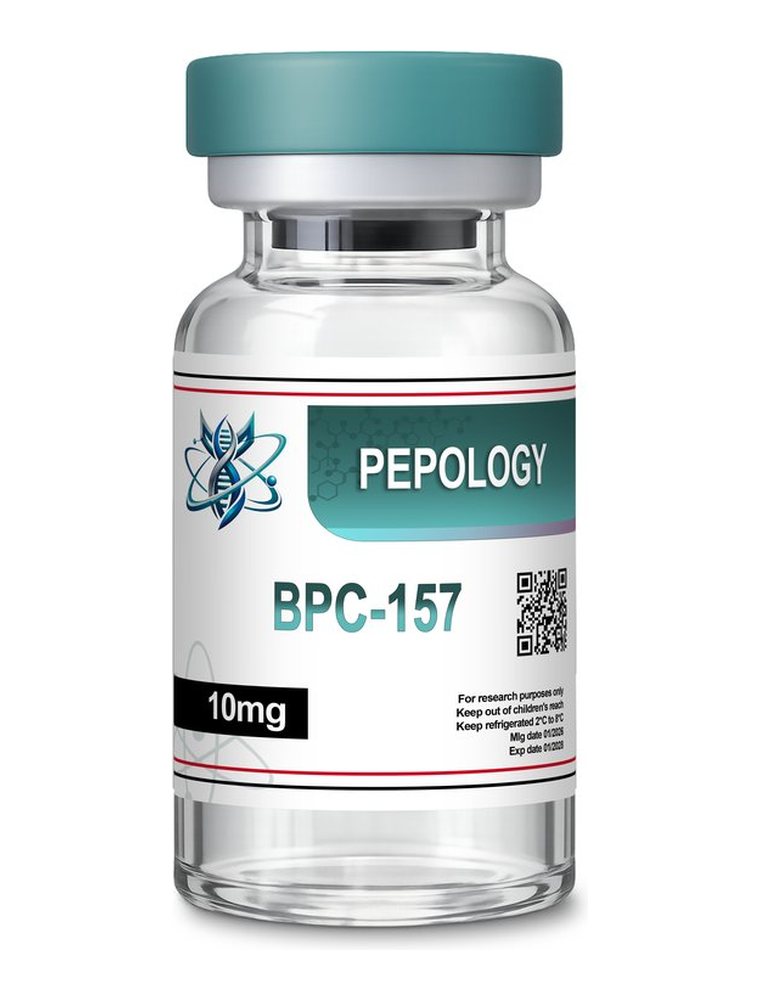
BPC-157 is a synthetic 15 amino acid peptide (Body Protection Compound 157) studied in research for its effects on tendon, ligament, muscle and gut tissue, and on new blood vessel formation.
Studied in research for tendon, ligament and muscle tissue
Investigated in research for gut lining and tissue models
Researched for new blood vessel growth (angiogenesis)
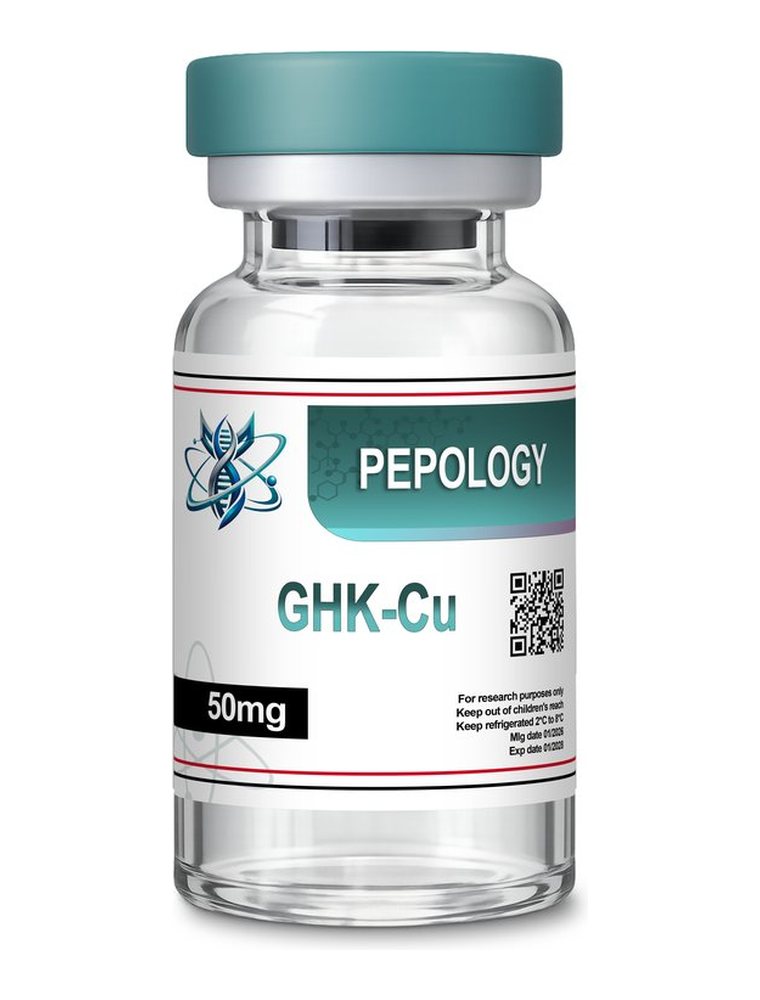
GHK-Cu is the naturally occurring copper tripeptide and one of the most studied peptides in skin research, investigated for collagen, elastin, hair follicle support and tissue repair.
Studied for collagen and elastin production
Researched for skin firmness, elasticity and tone
Investigated for hair follicle support and thickness
Studied for wound and tissue repair
Researched for antioxidant and anti-inflammatory activity
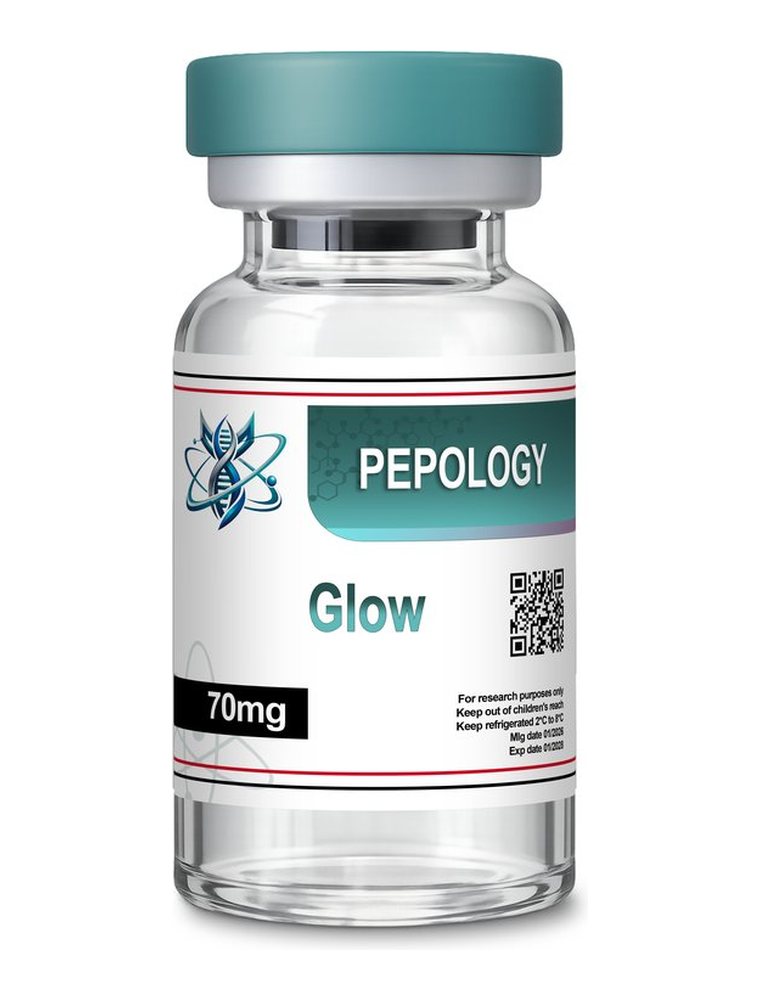
GLOW is a 70mg three-peptide research blend (GHK-Cu, BPC-157 and TB-500) studied in research settings for their effects on skin, hair and tissue recovery.
GHK-Cu copper peptide studied in relation to collagen and elastin
Researched in the context of skin firmness, elasticity and tone
Investigated in relation to hair follicle support and thickness
BPC-157 and TB-500 studied in relation to tissue recovery
Explored in the context of the look of ageing and sun-exposed skin
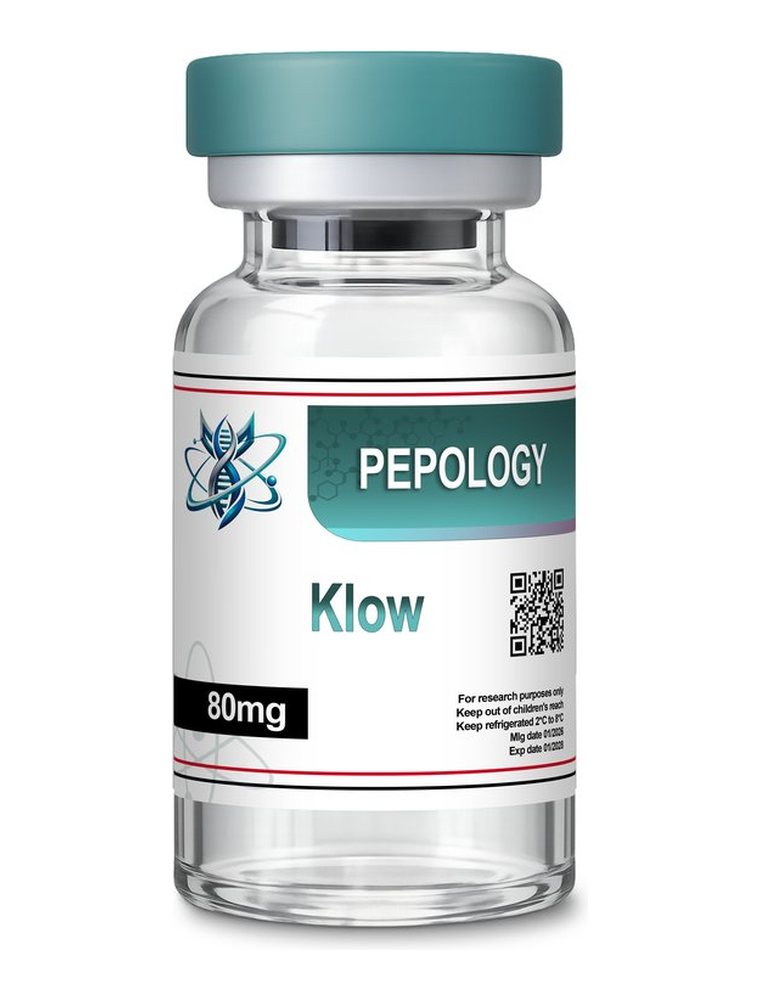
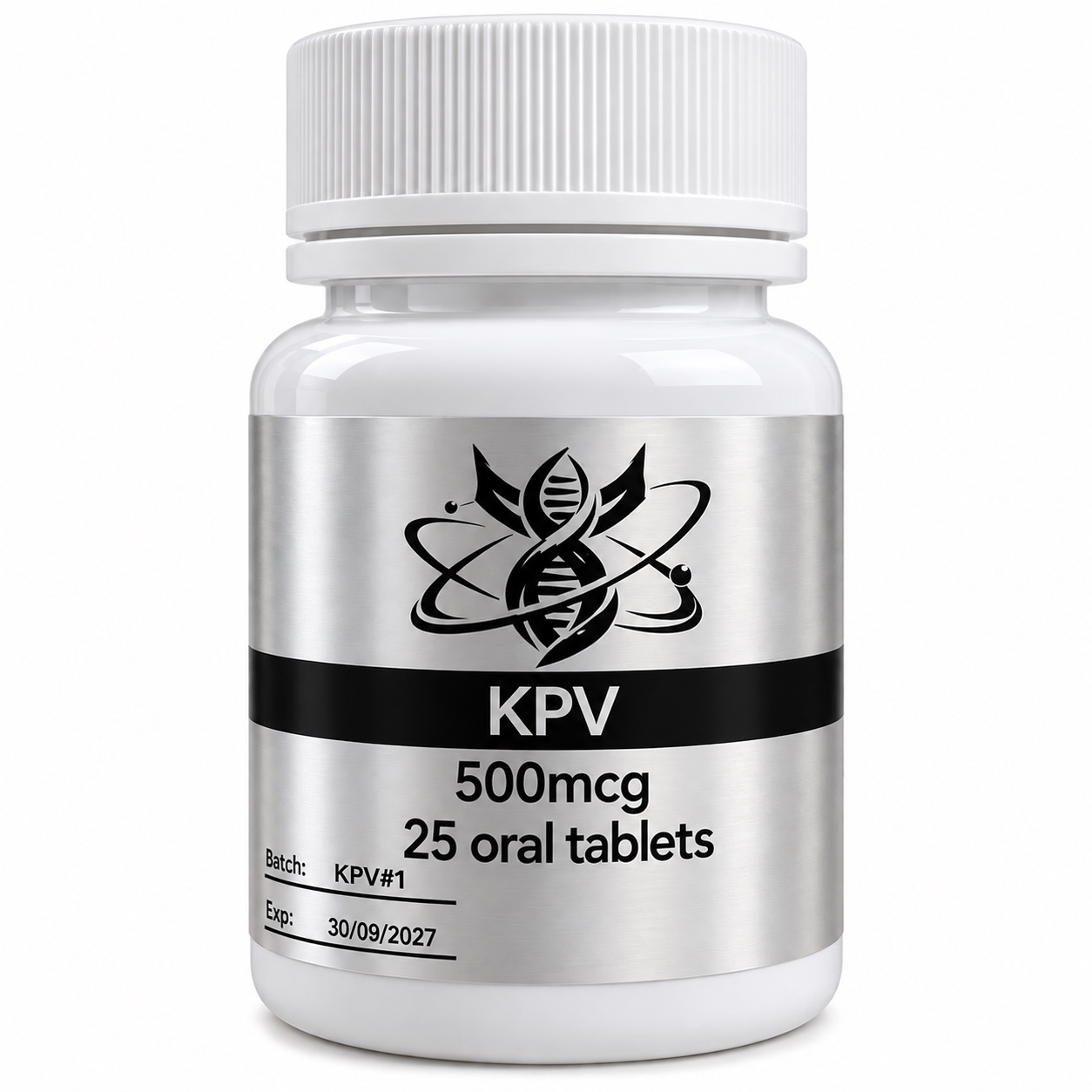
KLOW is an 80mg four-peptide research blend (GHK-Cu, BPC-157, TB-500 and KPV) studied in research models exploring tissue-repair, inflammation-signalling, and gut and skin pathways.
GLOW blend plus KPV, four peptides in one vial
Explored in research for all-round recovery pathways
KPV studied in inflammation-signalling research
BPC-157 investigated in gut-lining research models
GHK-Cu studied for skin, collagen and matrix research
The cellular energy and ageing molecule in research
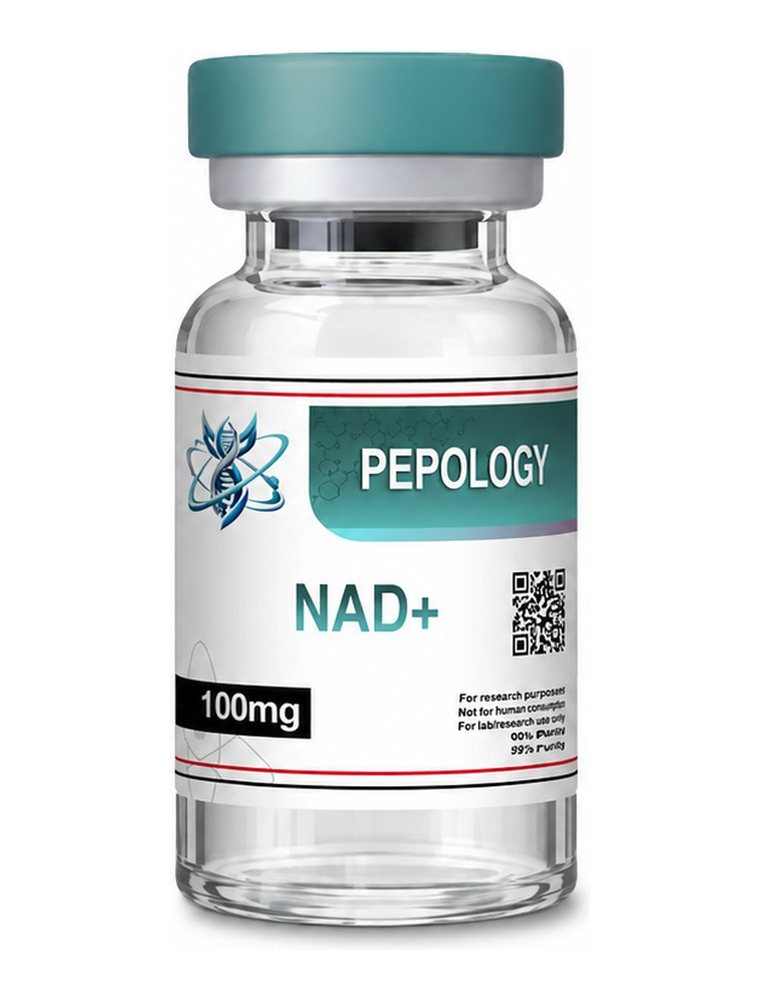
NAD+ (nicotinamide adenine dinucleotide) is a coenzyme found in every cell, studied for its role in energy production, cellular repair and the biology of ageing.
Studied for cellular energy and mitochondrial function
Investigated in healthy-ageing and longevity pathways
Researched for its role in DNA repair signalling
Studied for metabolism and energy balance
Investigated for its role in sirtuin activation
Naturally declines with age, a focus of ongoing research
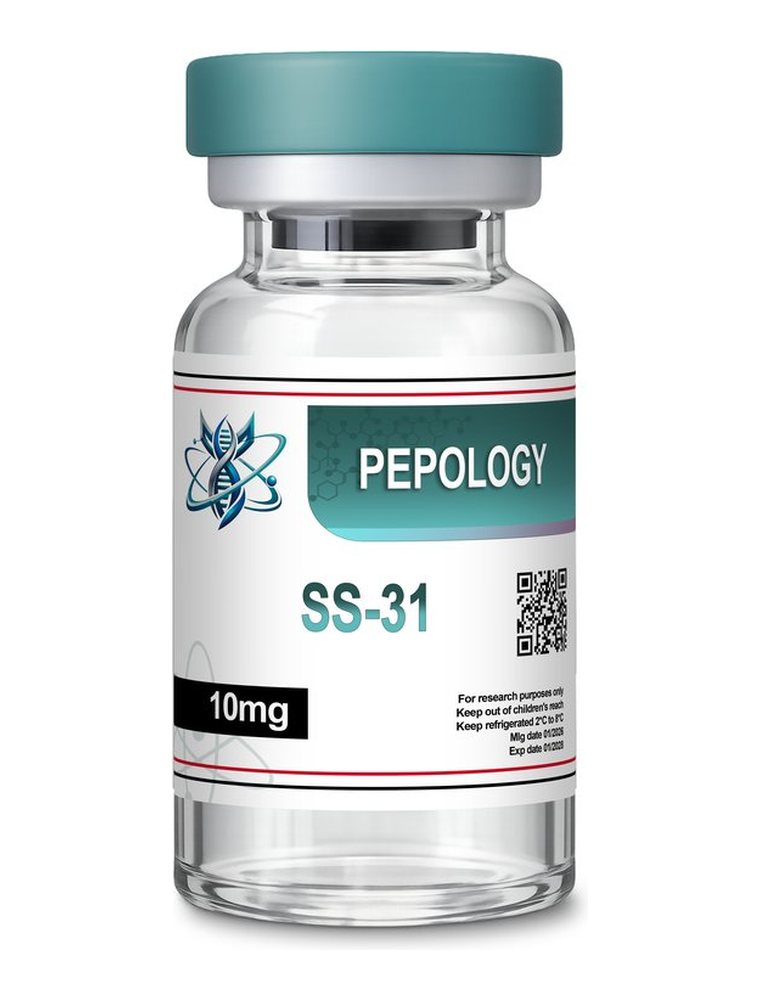
SS-31 (elamipretide) is a mitochondria-targeting tetrapeptide that binds cardiolipin in the inner mitochondrial membrane, studied for its role in cellular energy (ATP) and oxidative stress.
Studied for supporting cellular energy (ATP) output
Researched for its effect on oxidative stress
Investigated for mitochondrial function and cell resilience
Studied in age-related mitochondrial decline research
Every kit ships with a full click-dosing guide. Keep cool and dark; once mixed, refrigerate (2-8°C). Benefits and dosing figures are summarised from publicly available research literature for educational reference only, not a prescription or medical advice. Research use only, not for human consumption.