
Storage guide · Last updated 22 September 2026
How to Store Peptides: Powder and Reconstituted
A plain-language guide to keeping research peptides stable, both as a freeze-dried powder before mixing and as a liquid once reconstituted, using the storage conditions peptide manufacturers actually recommend.

This is laboratory material-handling and stability information for products supplied strictly for laboratory research use only, not for human or veterinary use. It contains no dosing, administration or usage guidance. The temperatures and timeframes below are general guidance; storage times vary by compound and conditions, so the authoritative storage condition and expiry for any product is the one printed on its Certificate of Analysis or vial label.
Peptide storage at a glance
The quick-reference table. Detail and the reasoning are in the sections below.
| State | Temperature | How long | Notes |
|---|---|---|---|
| Powder at room temperature | Room temperature (about 20C to 25C) | Up to about 7 months | Fine for a factory-sealed, dry vial kept out of light. Move it to the fridge or freezer for longer storage. Always follow the storage instruction on your product label. |
| Powder in the fridge | Refrigerated (2C to 8C) | About 7 to 12 months | The step up from room temperature for medium-term storage. Keep the vial sealed, dry and out of light. |
| Powder in the freezer | Freezer (-20C, or colder for archival storage) | 1 year or longer | The long-term option. Cold, dry and dark is safest, and colder slows degradation further. |
| Reconstituted liquid | Refrigerated (about 2C to 8C, roughly 4C) | Up to about 30 to 36 days, then it degrades | Far less stable than the powder. Keep it refrigerated the whole time, reconstitute with bacteriostatic water for a multi-use vial, and avoid freeze-thaw. Defer to the product label and Certificate of Analysis. |
Before mixing: storing the powder
A freeze-dried peptide is at its most stable as a dry powder. This is the state you can store the longest.
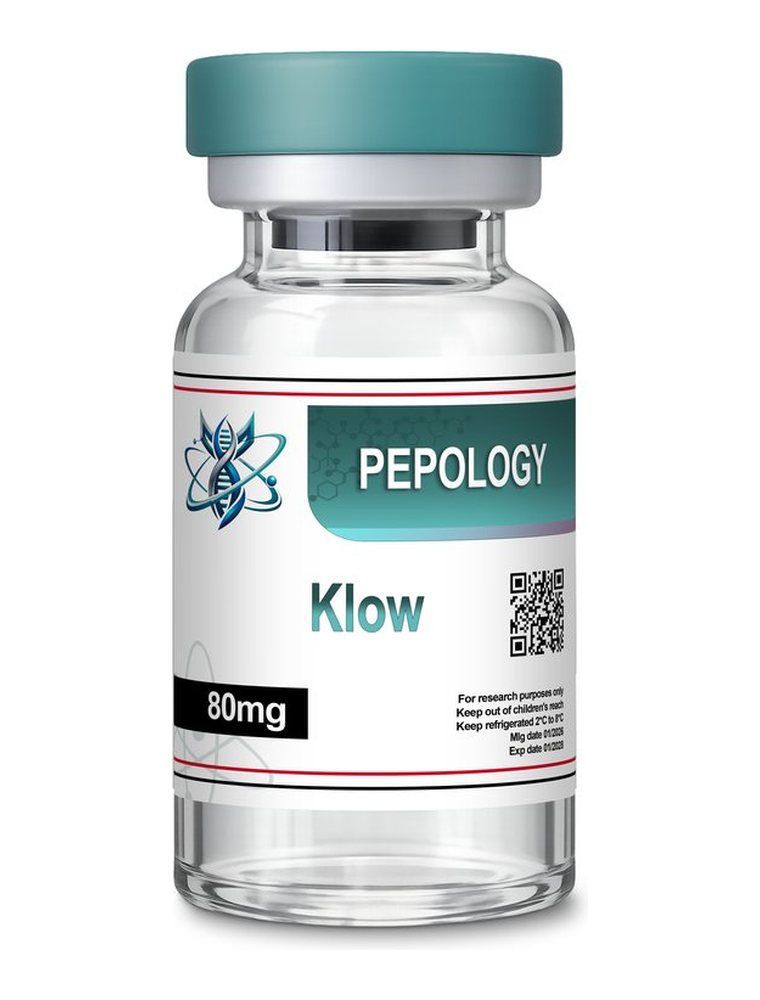
A freeze-dried (lyophilized) peptide is at its most stable as a dry powder, and it lasts by far the longest of any storage state.
Why Freeze-drying removes almost all water, and water is the medium in which most degradation reactions (hydrolysis, oxidation, deamidation) run. With little water and little molecular movement, the chemistry that breaks peptides down slows to a crawl. Sigma-Aldrich/Merck: the most effective way to minimise degradation is to store the peptide in lyophilized/powder form at -20C or preferably -80C.
At room temperature (about 20C to 25C), a factory-sealed, dry vial kept out of light is generally fine for up to about 7 months. Move it to the fridge or freezer for longer storage.
Why A well-sealed, dry lyophilized powder holds up at room temperature for months because there is very little water present for degradation reactions to run. Moisture and light are the main risks, so keeping the vial sealed, dry and dark is what protects it. Always follow the storage condition printed on your own product label, which is the authoritative figure for that material.
For longer storage, colder is better: the fridge (2C to 8C) holds the powder for about 7 to 12 months, and the freezer (-20C) is the choice for 1 year or longer.
Why Every degradation reaction runs slower at lower temperature, so each step down in temperature buys more time. The fridge is the medium-term step and the freezer is the long-term option, with colder still (-80C or below) used for the longest archival storage. Keep the vial sealed, dry and dark whichever you choose.
Keep the vial tightly capped and dry, with desiccant, and minimise how often and how long it is open.
Why Moisture is the single biggest lever on powder stability. Sigma/Merck: exposure to moisture greatly decreases long-term stability. GenScript advises storing peptides with hygroscopic residues (Asp, Glu, Lys, Arg, His) in a desiccator in a tightly capped vial. A well-dried lyophilate typically sits below about 3% residual moisture, and every exposure to humid air erodes that.
Actual shelf life is peptide-specific. Treat the temperature and time figures as general industry consensus, and follow the product's own Certificate of Analysis or vial label for the authoritative storage condition and expiry.
Why Manufacturers flag that sequences containing methionine, cysteine or tryptophan are oxidation-prone, and asparagine or glutamine are deamidation-prone, so those peptides degrade faster. Bachem notes peptides with Asn, Gln, Met, Cys or Trp have reduced shelf lives. A defensible expiry comes from the exact lot's documentation, not a blanket number.
Once mixed: storing the liquid
Reconstituted peptide is much less stable than the powder. Keep it cold and treat it as short-lived.
Once reconstituted (dissolved into liquid), keep the vial refrigerated at about 2C to 8C the whole time. Refrigerated, a reconstituted peptide is generally usable for up to about 30 to 36 days, after which it starts to degrade.
Why Dissolving the powder in water restarts the water-driven degradation reactions (oxidation of Cys, Met and Trp; deamidation of Asn and Gln), so a solution has a much shorter usable life than the powder. Keeping the vial cold the entire time slows both the chemical breakdown and microbial growth, which is what holds the material together across that window. Past roughly 30 to 36 days it degrades, so prepare what you will use.
Treat reconstituted material as short-lived. Prepare only what will be used soon rather than stockpiling solution.
Why The dry powder is the real long-term reservoir. GenScript notes solution shelf-life is very limited and much shorter than that of lyophilized peptides, and Sigma and GenScript both recommend against long-term storage in solution because it slowly degrades even when cold.
If long-term liquid storage is genuinely unavoidable, split the solution into single-use aliquots and freeze them, and do not repeatedly thaw and refreeze the same vial.
Why Aliquoting means each portion is thawed only once, so the rest never sees a second freeze-thaw. Bachem: peptide solutions should be aliquoted and kept frozen below -15C. Thermo Fisher: avoid freeze-thaw by freezing individual aliquots. Even so, manufacturers stress that long-term solution storage is discouraged.
The diluent matters. Reconstitute with bacteriostatic water for a multi-use vial you can keep refrigerated across the 30 to 36 day window; plain sterile water has no preservative and is intended for immediate single use.
Why Bacteriostatic Water contains 0.9% benzyl alcohol as a preservative that holds back microbial growth in a vial that is entered more than once, which is what makes a multi-day refrigerated window practical. Plain Sterile Water has no preservative, so once it is opened it offers no protection. Either way the peptide itself still degrades over time, so keep the vial cold and follow the storage note on your product label.
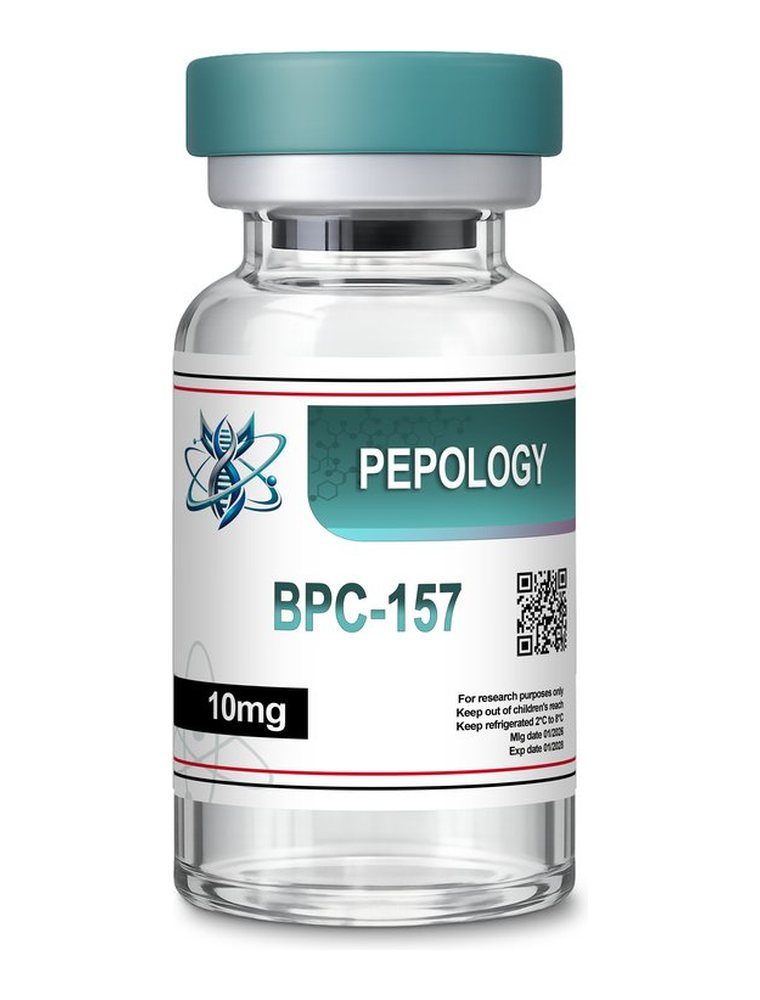
Handling essentials
A few small habits protect stability more than anything else: warm before opening, avoid freeze-thaw, and keep out of light.
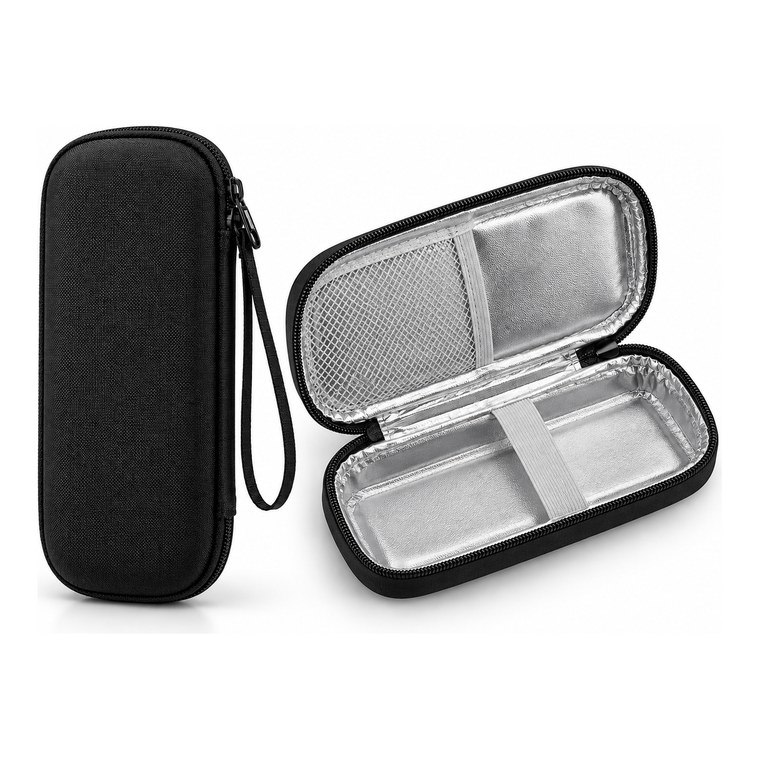
Let a chilled or frozen vial warm fully to room temperature while still sealed, ideally in a desiccator, before opening the lid to mix or dispense.
Why It is the same physics as a cold drink can sweating on a warm day. Open a freezer-cold vial and humidity in the room condenses into water droplets on the cold powder. That introduced moisture is exactly what triggers degradation in a material that was deliberately freeze-dried to be water-free. Sigma-Aldrich: equilibrate to room temperature before removing the lid. Bachem: allow the container to reach ambient temperature in a desiccator prior to opening. The critical point is that it must warm up before the seal is broken, not merely before mixing.
Minimise freeze-thaw cycles. Take out only what is needed and avoid repeatedly warming and refreezing the same vial. Aliquot where practical.
Why As a solution freezes, ice crystals form and squeeze the dissolved molecules into shrinking pockets of unfrozen liquid (cryo-concentration), buffer salts can crystallise unevenly and swing the local pH, and the ice interface exerts shear on the molecules. Each thaw and refreeze repeats this insult, so integrity steps down cycle by cycle. Sigma-Aldrich and Thermo Fisher both say repeated freeze-thaw of powder and solutions should be avoided, and aliquoting is the standard mitigation.
Keep vials out of direct and bright light, in the original packaging or an opaque or amber container, in a drawer, box or cabinet.
Why Light drives photo-oxidation of specific amino acid residues, primarily tryptophan, tyrosine, phenylalanine and cysteine, and tryptophan oxidation in particular is irreversible. GenScript stores peptides away from bright light, and Thermo Fisher recommends amber or dark vials and a dark location. Peptides containing these residues are genuinely light-sensitive, which is why dark storage is standard.
When handling the powder, work quickly: warm the sealed vial, open and weigh or dispense promptly, then reseal tightly and return to cold storage. Keep desiccant in with it.
Why The enemies are oxygen, moisture and time spent warm and open. Minimising exposure limits oxidation and moisture uptake. GenScript advises weighing quickly and resealing. Where a lab has the means, AAPPTEC advises gently purging the container headspace with an inert gas such as nitrogen or argon before resealing, which removes the oxygen that drives oxidation of Met, Cys and Trp.
Always follow your product's Certificate of Analysis
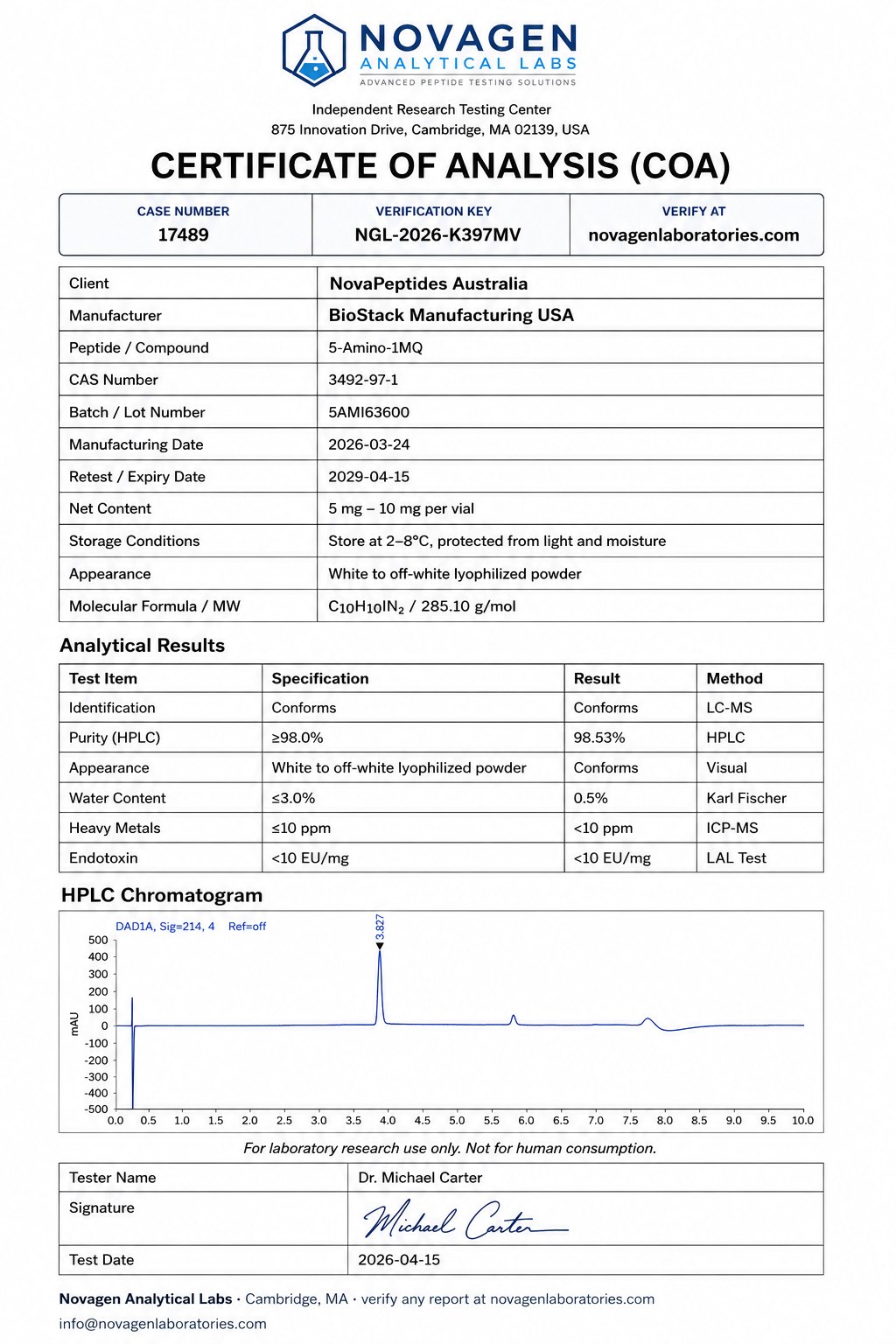
Real shelf life is peptide-specific. Sequences with methionine, cysteine or tryptophan oxidise faster, and asparagine or glutamine deamidate, so no single number fits every compound. The figures in this guide are the general industry consensus for a well-kept vial. The condition and expiry that actually apply to your material are the ones printed on that batch's certificate.
Every NovaPeptides batch is matched to an independent Certificate of Analysis from Novagen Analytical Labs, verifiable by key on the lab's own website.
Frequently asked questions
How long can I keep the freeze-dried powder at room temperature?
A factory-sealed, dry vial kept out of light is generally fine at room temperature for up to about 7 months. Moving it to the fridge (2C to 8C) extends that to roughly 7 to 12 months, and the freezer at -20C is the choice for storage of 1 year or longer. Colder is always safer, and you should follow the storage condition printed on your product label.
Fridge or freezer for long-term storage of the powder?
The fridge (2C to 8C) is the medium-term step and holds the powder for about 7 to 12 months. The freezer at -20C is the long-term option for storage of 1 year or longer, and colder still (-80C or below) is used for the longest archival storage. Keep the vial sealed, dry and dark whichever you choose.
Why do I need to let a cold or frozen vial warm up before I open it?
To stop moisture condensing onto the cold powder. When you open a freezer-cold vial, humidity in the room instantly condenses into tiny water droplets on the cold surface, the same way a cold can sweats on a warm day. That introduced water is exactly what degrades a material that was freeze-dried to be water-free. Let the sealed vial reach room temperature first, ideally in a desiccator, then open it.
Does it matter which water I use to reconstitute?
Yes. Bacteriostatic water contains 0.9% benzyl alcohol as a preservative, so it supports a multi-use vial you can keep refrigerated across the roughly 30 to 36 day window. Plain sterile water has no preservative and is intended for immediate single use once opened. Whichever you use, keep the vial refrigerated the whole time, and the reconstituted peptide is generally usable for up to about 30 to 36 days before it degrades. Follow the storage note on your product label.
Why should I avoid freezing and thawing the same vial repeatedly?
Freezing is not gentle at the microscopic level. As a solution freezes, ice crystals form and concentrate the dissolved molecules into shrinking pockets of liquid, buffer salts can crystallise unevenly and shift the local pH, and the ice interface physically stresses the molecules. Each thaw and refreeze repeats that insult, so integrity steps down cycle by cycle. Sigma-Aldrich and Thermo Fisher both advise avoiding repeated freeze-thaw of both powder and solutions. If you need long-term liquid storage, freeze single-use aliquots so each portion is thawed only once.
How long will my specific peptide actually last?
It depends on the peptide. Real stability varies with the sequence, purity and how dry and airtight it is kept. Peptides containing methionine, cysteine or tryptophan are prone to oxidation, and those with asparagine or glutamine to deamidation, so those sequences have shorter shelf lives. The figures in this guide are general industry consensus. The authoritative storage condition and expiry for your material is whatever is stated on that product's Certificate of Analysis or vial label.
General peptide storage guidance. Storage times vary by compound and conditions, so always follow the storage condition and expiry printed on your product’s Certificate of Analysis or vial label. NovaPeptides products are supplied for laboratory research use only, not for human or veterinary consumption.